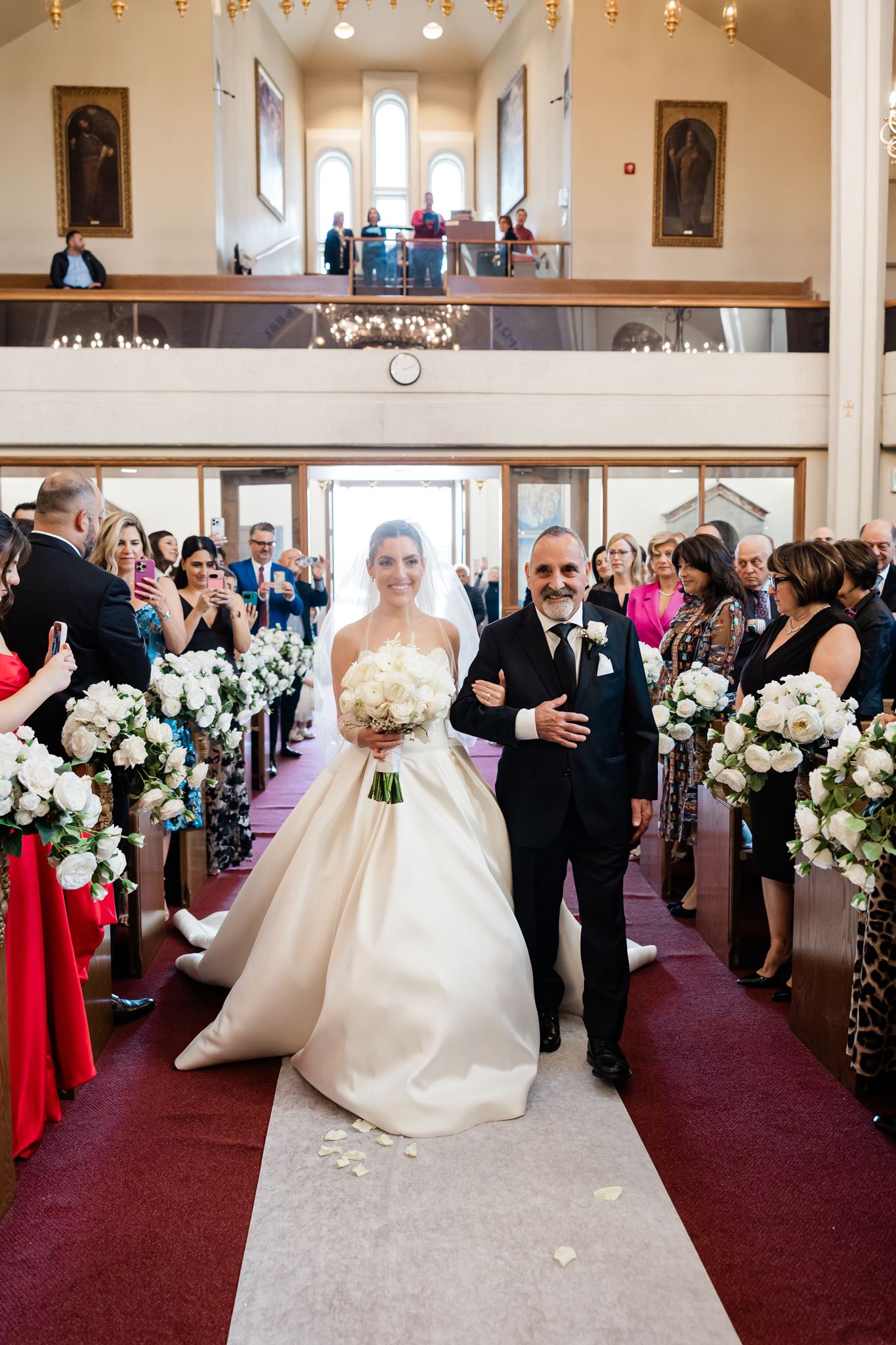
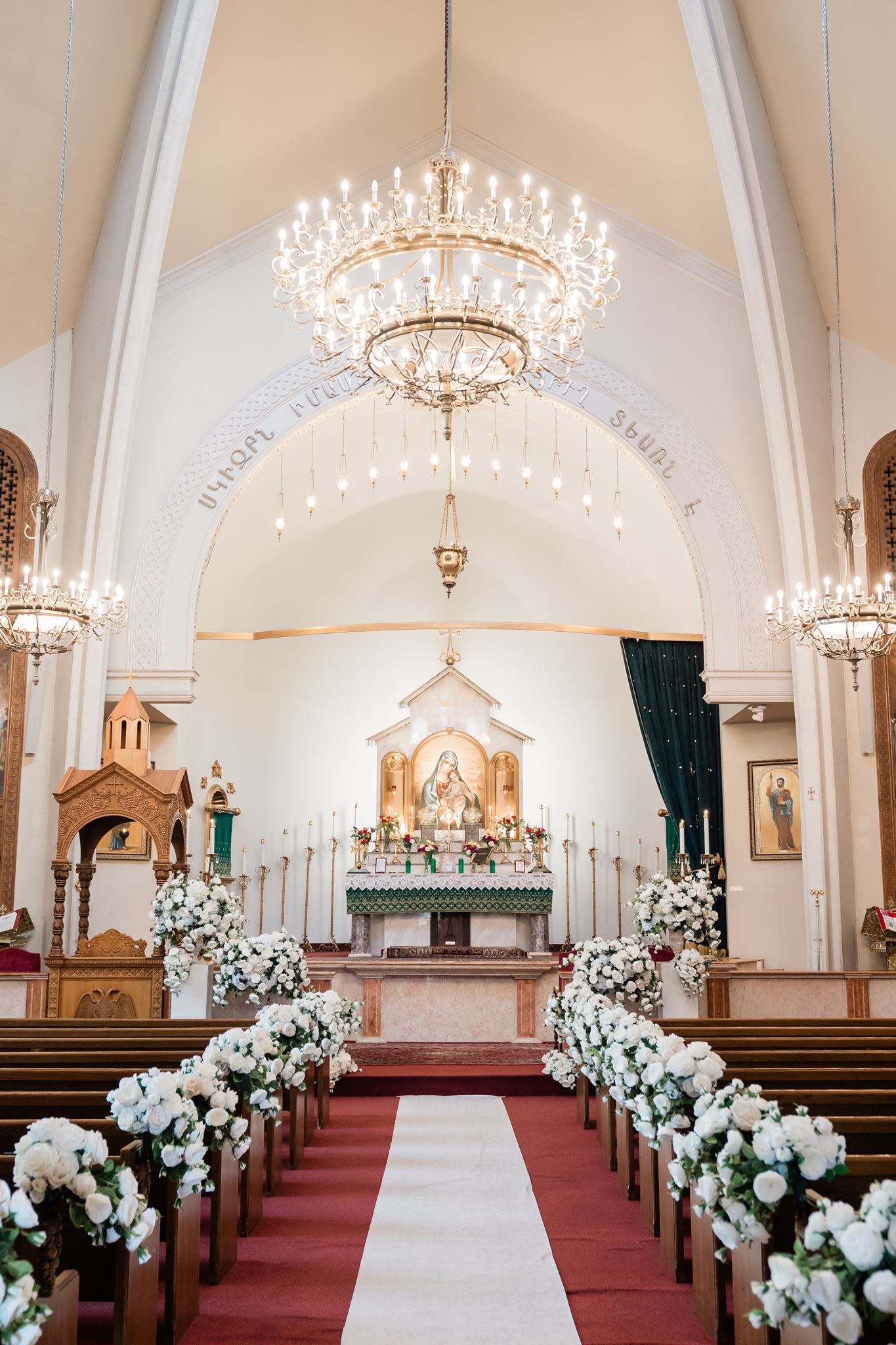
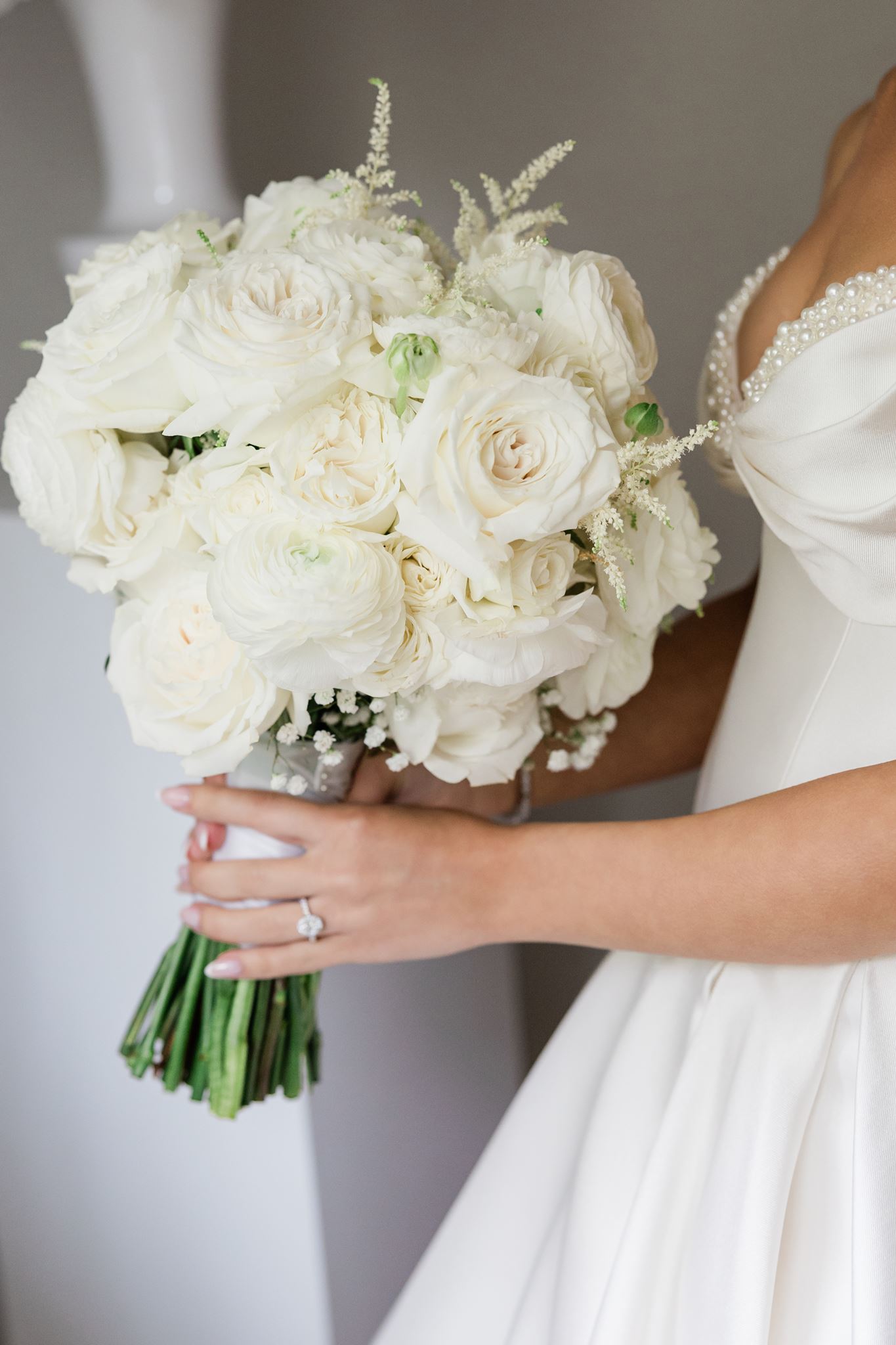
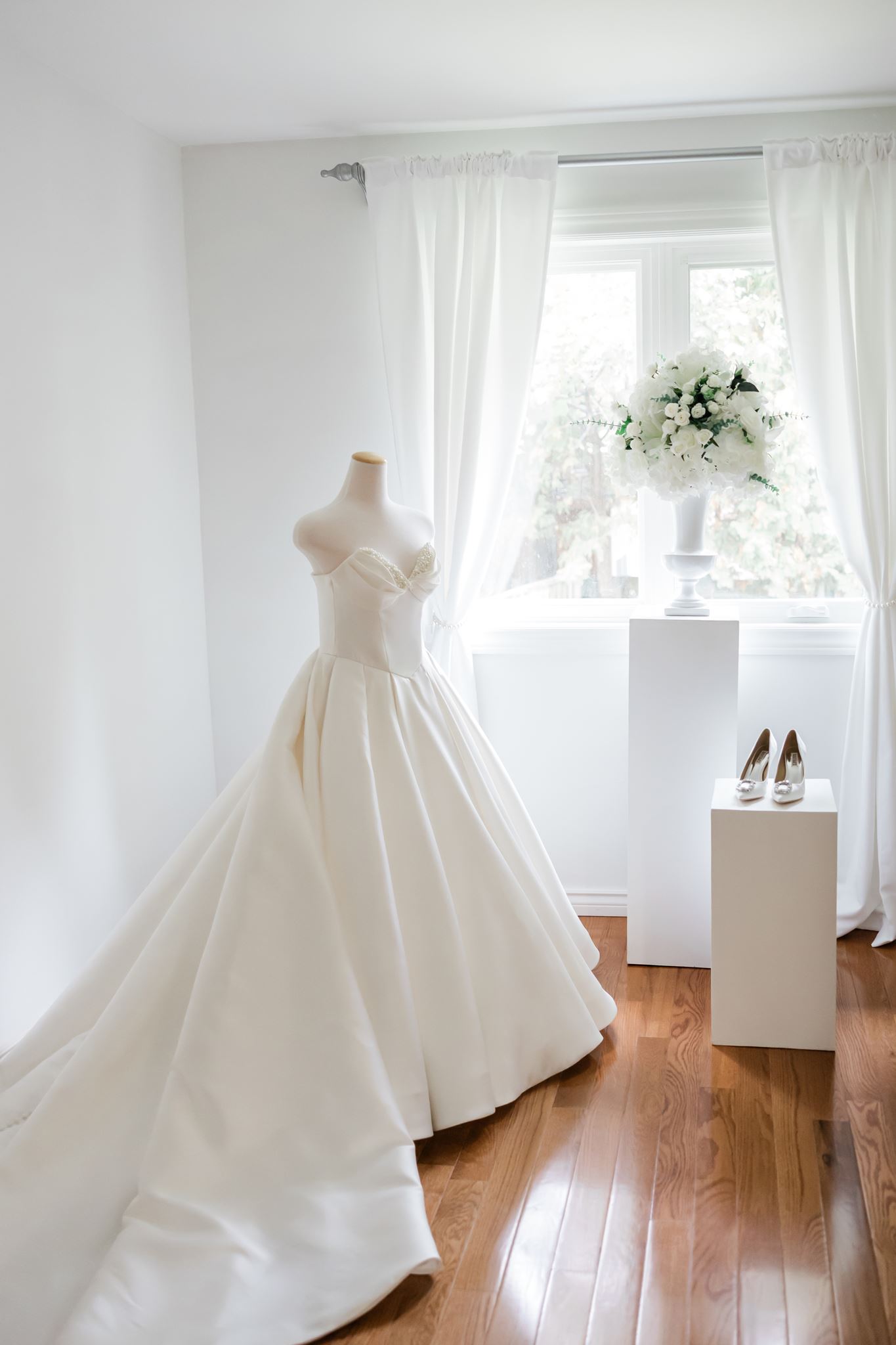
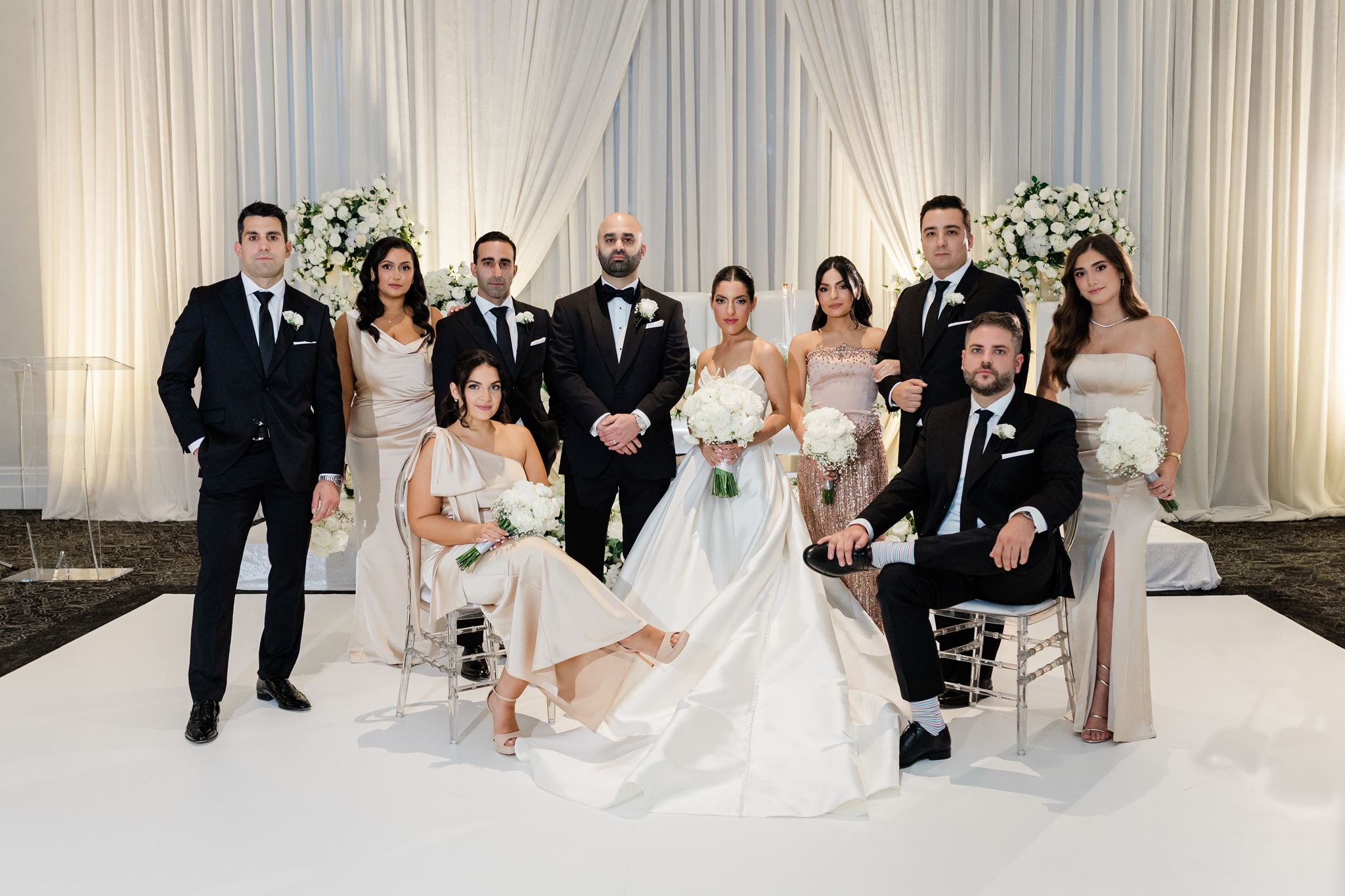
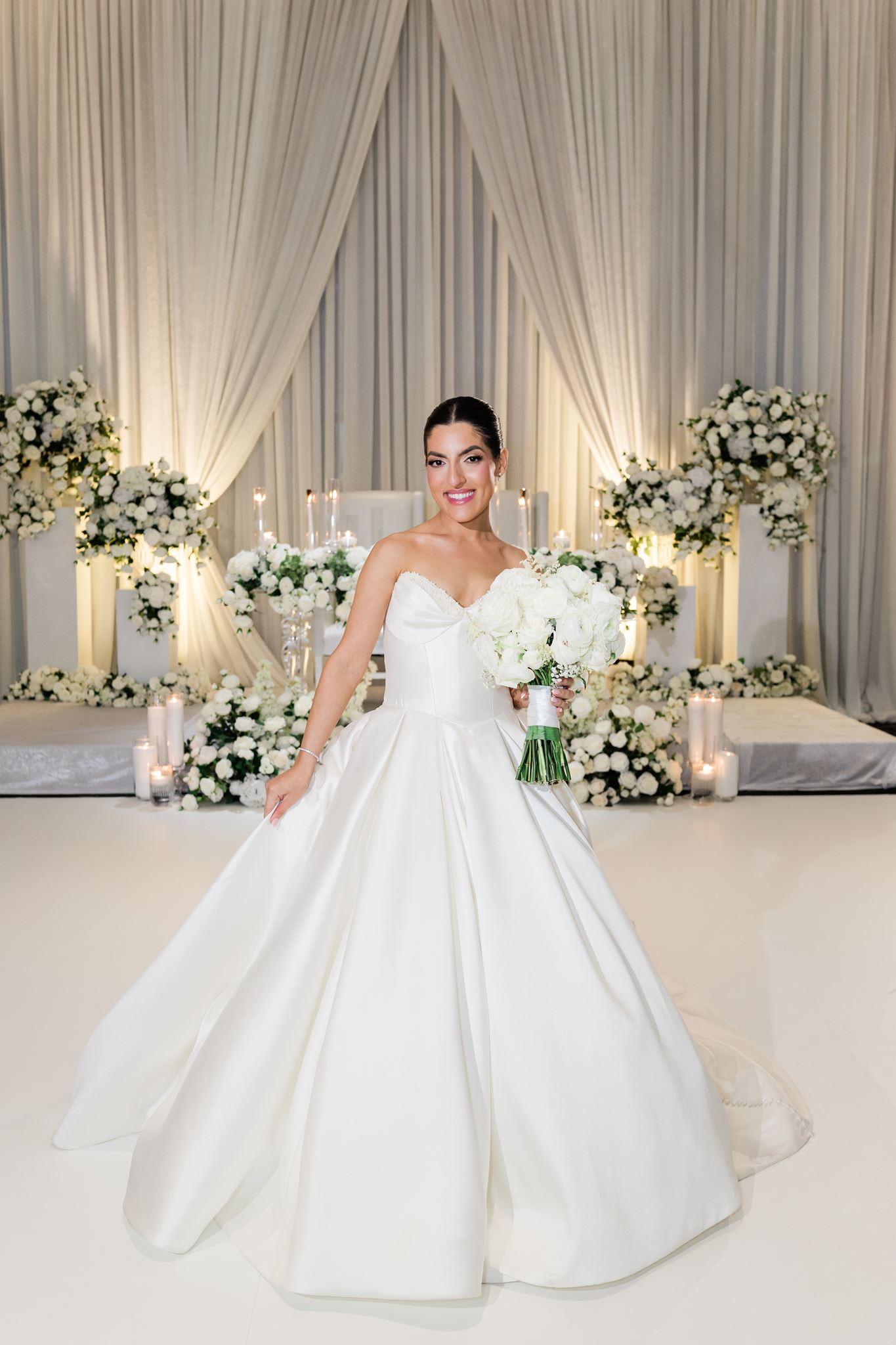
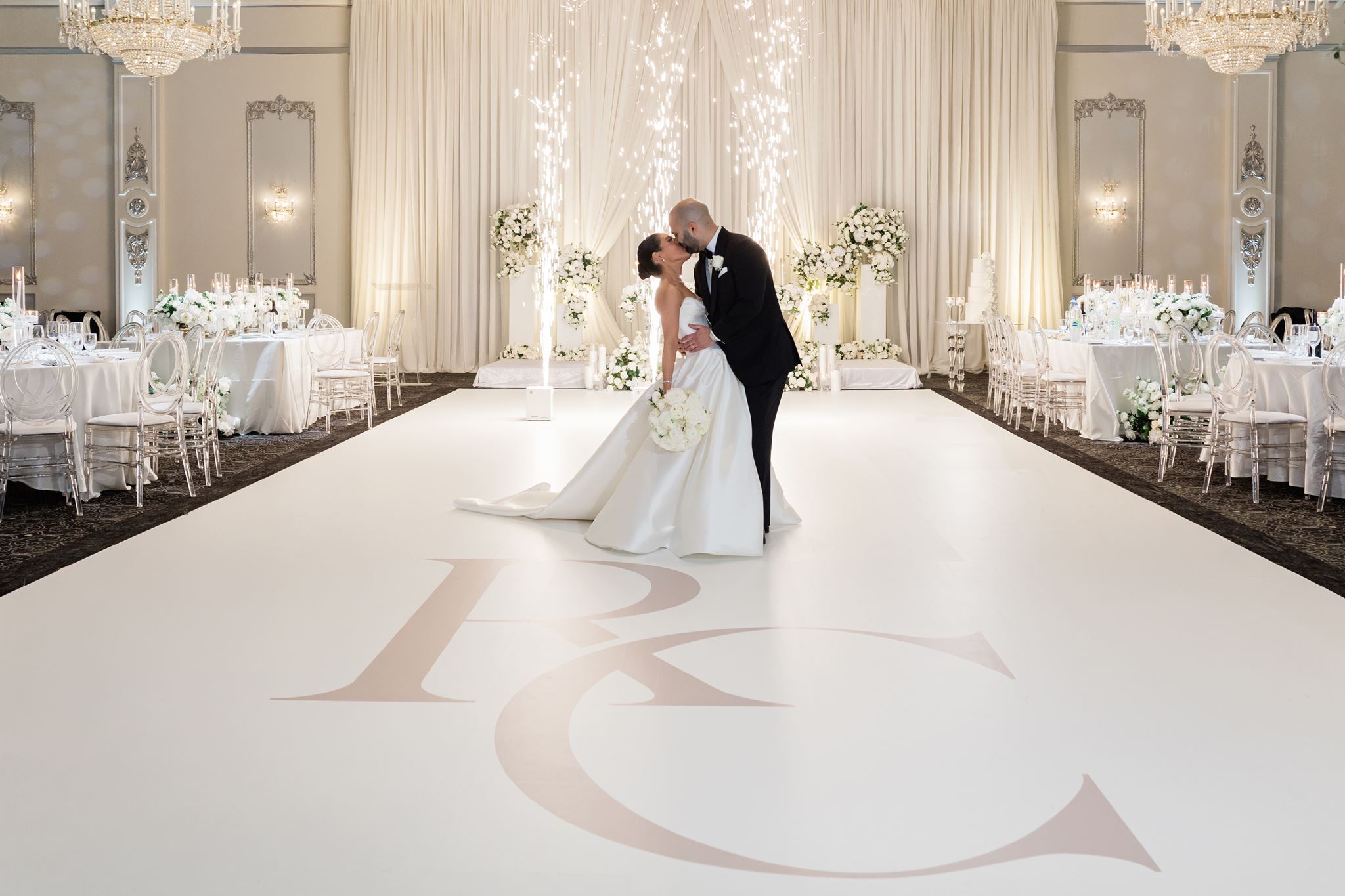
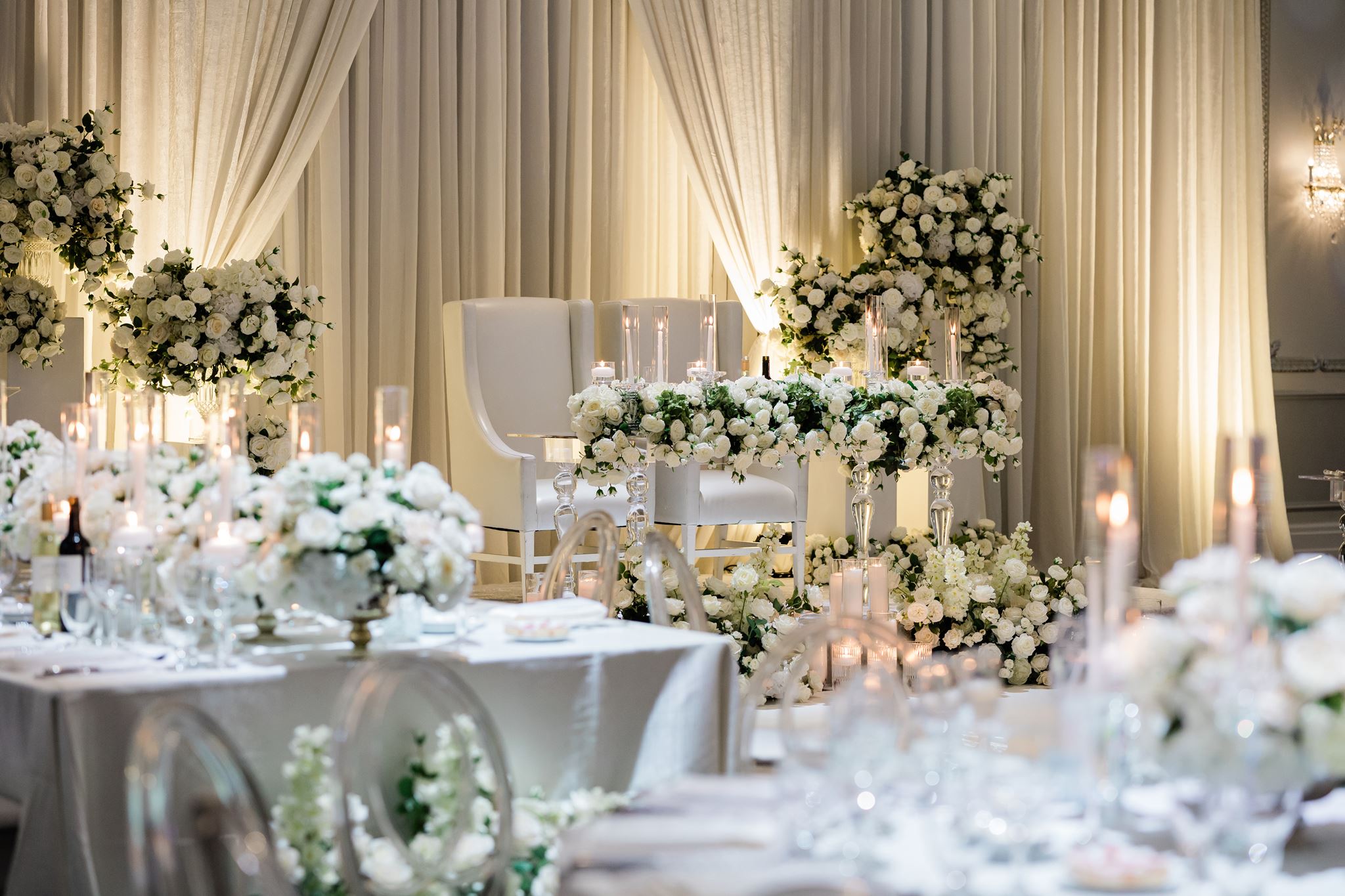
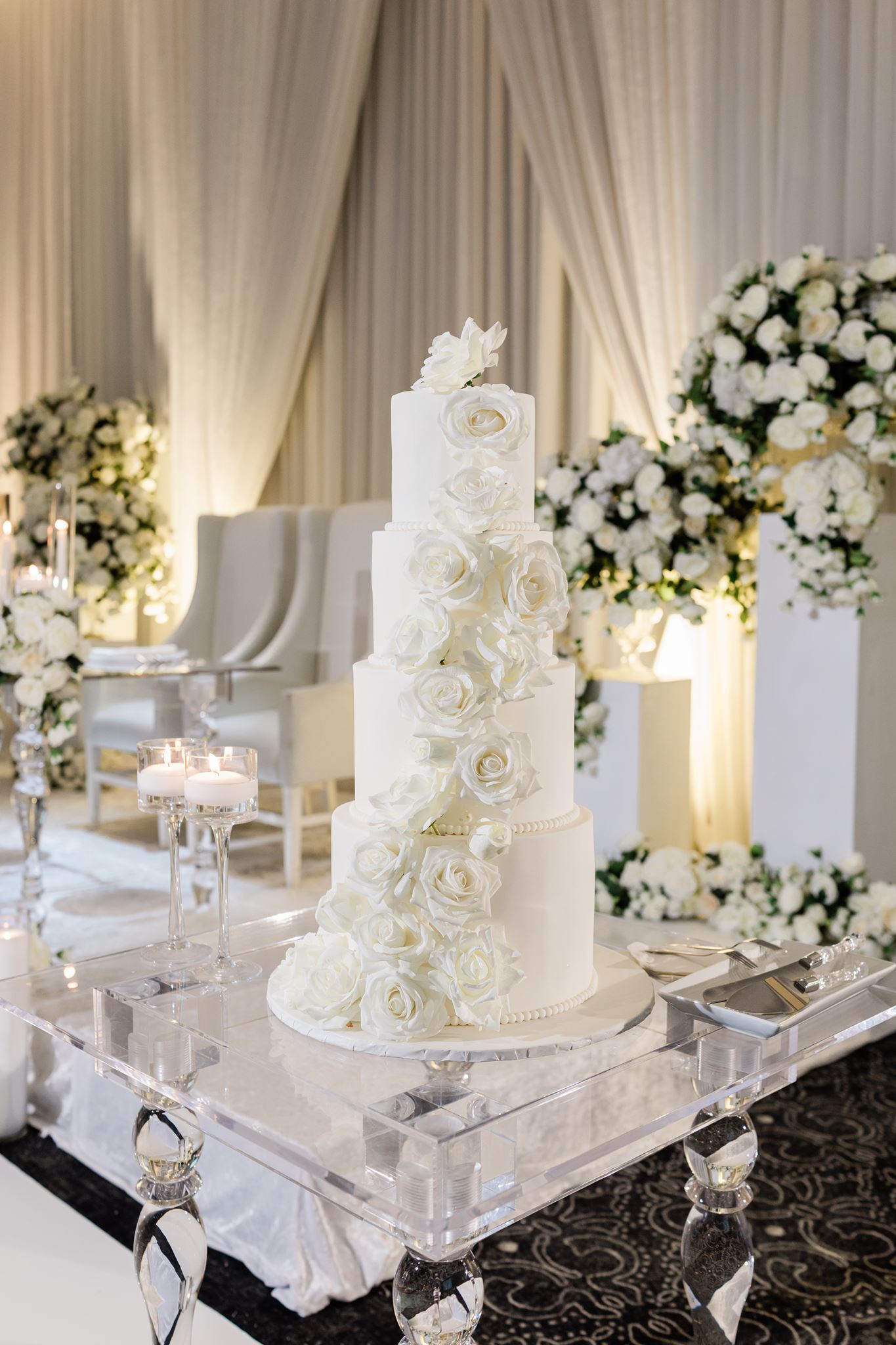
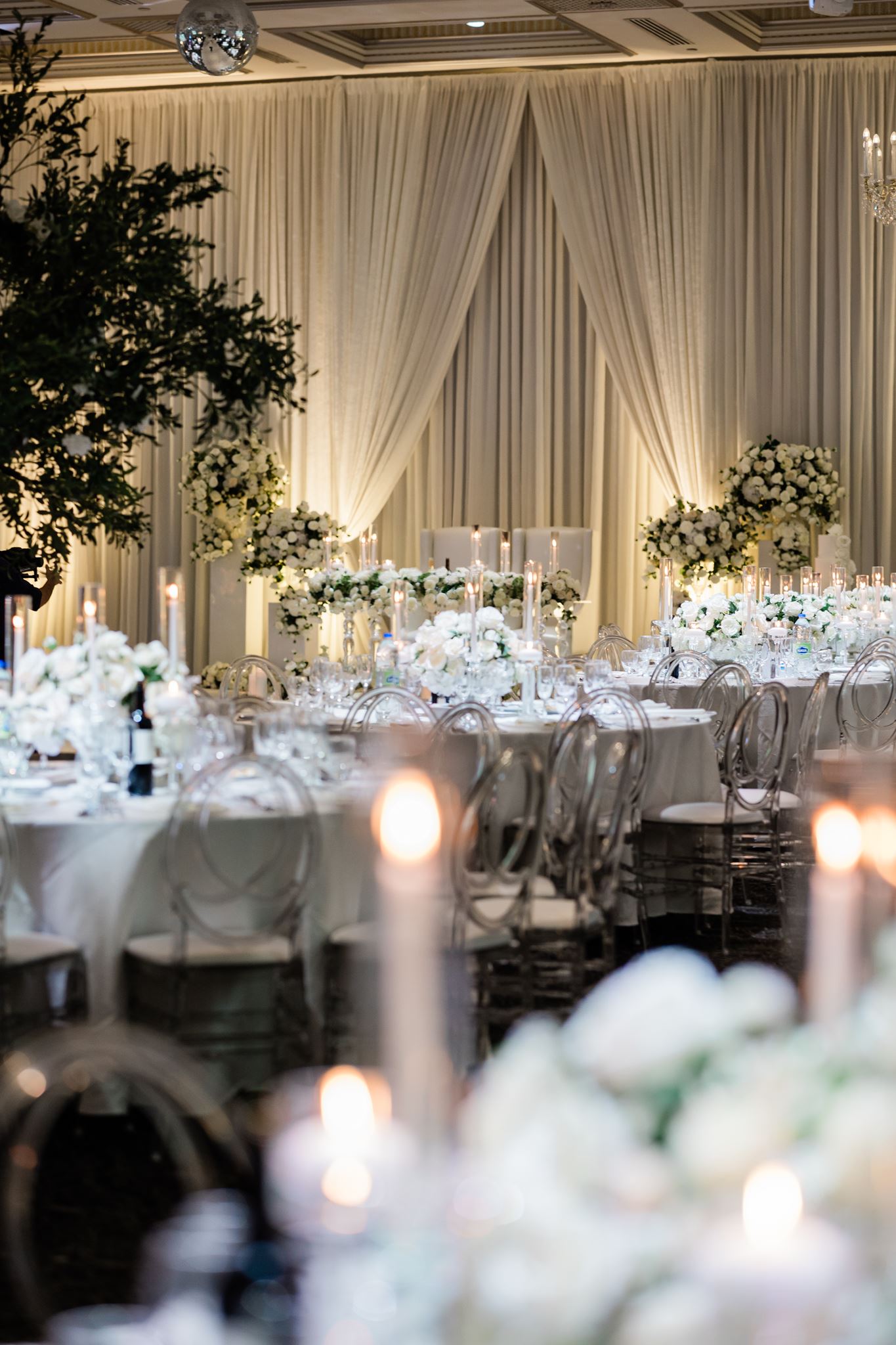
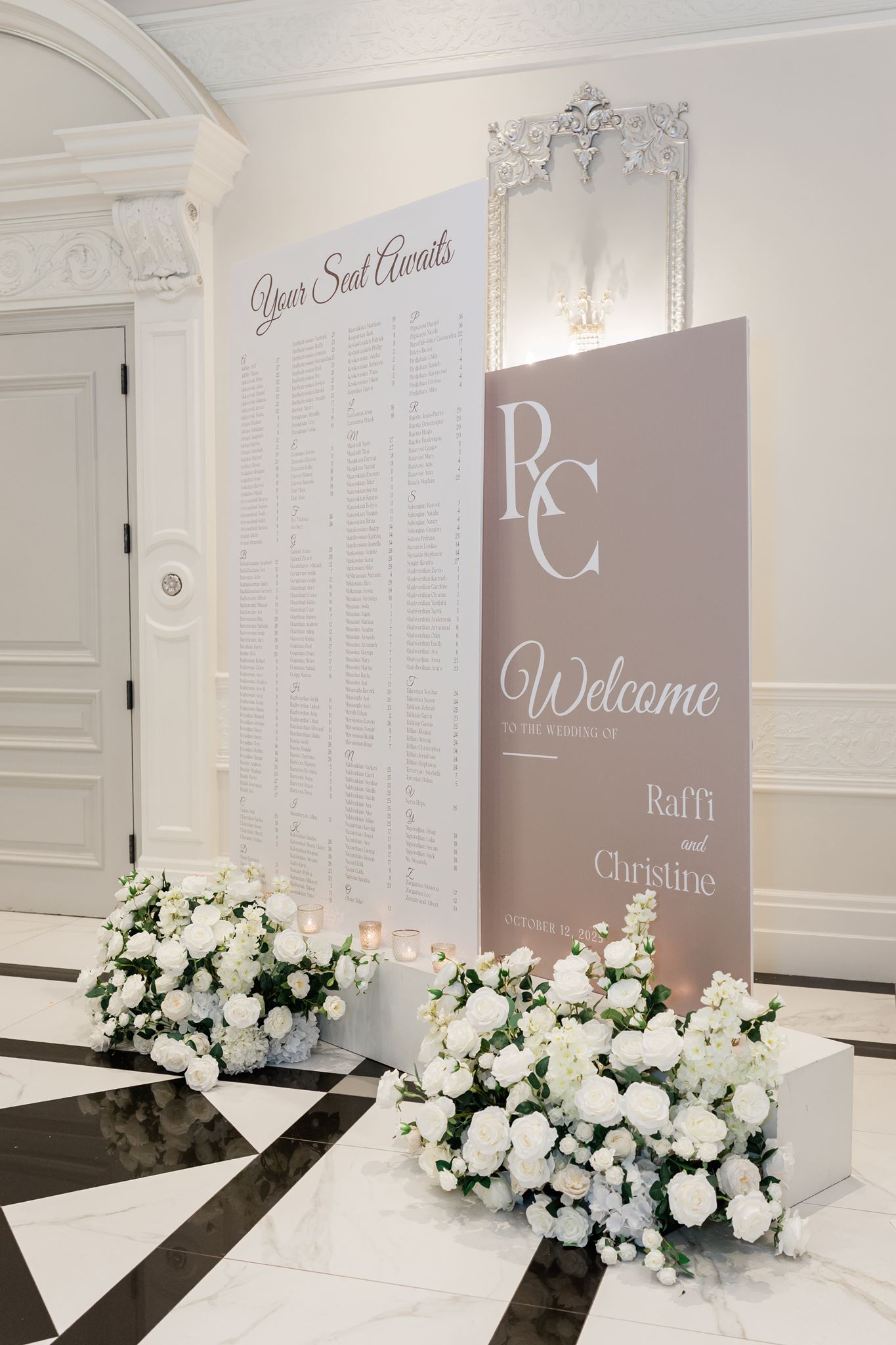
In recent years, wedding design has evolved from being a decorative layer added near the end of the planning process to becoming the foundation upon which the entire celebration is built. This shift is especially evident with today’s couples, who are increasingly design-literate, visually discerning, and intentional about how they want their wedding to feel – not just how it looks.
For many Millennial couples, design was often about cohesion and visual impact. Color palettes, statement installations, and carefully styled tablescapes played a major role in creating a “wow” factor, particularly through photography. Design supported the wedding, but it rarely drove every decision.
With newer couples, however, design has become a language. It is the starting point that informs the venue choice, guest experience, flow of the day, and even the emotional tone of the celebration. Design is no longer about excess; it is about storytelling. Couples are asking deeper questions: What atmosphere do we want to create? How do we want our guests to feel when they arrive, when they sit down, when they leave?
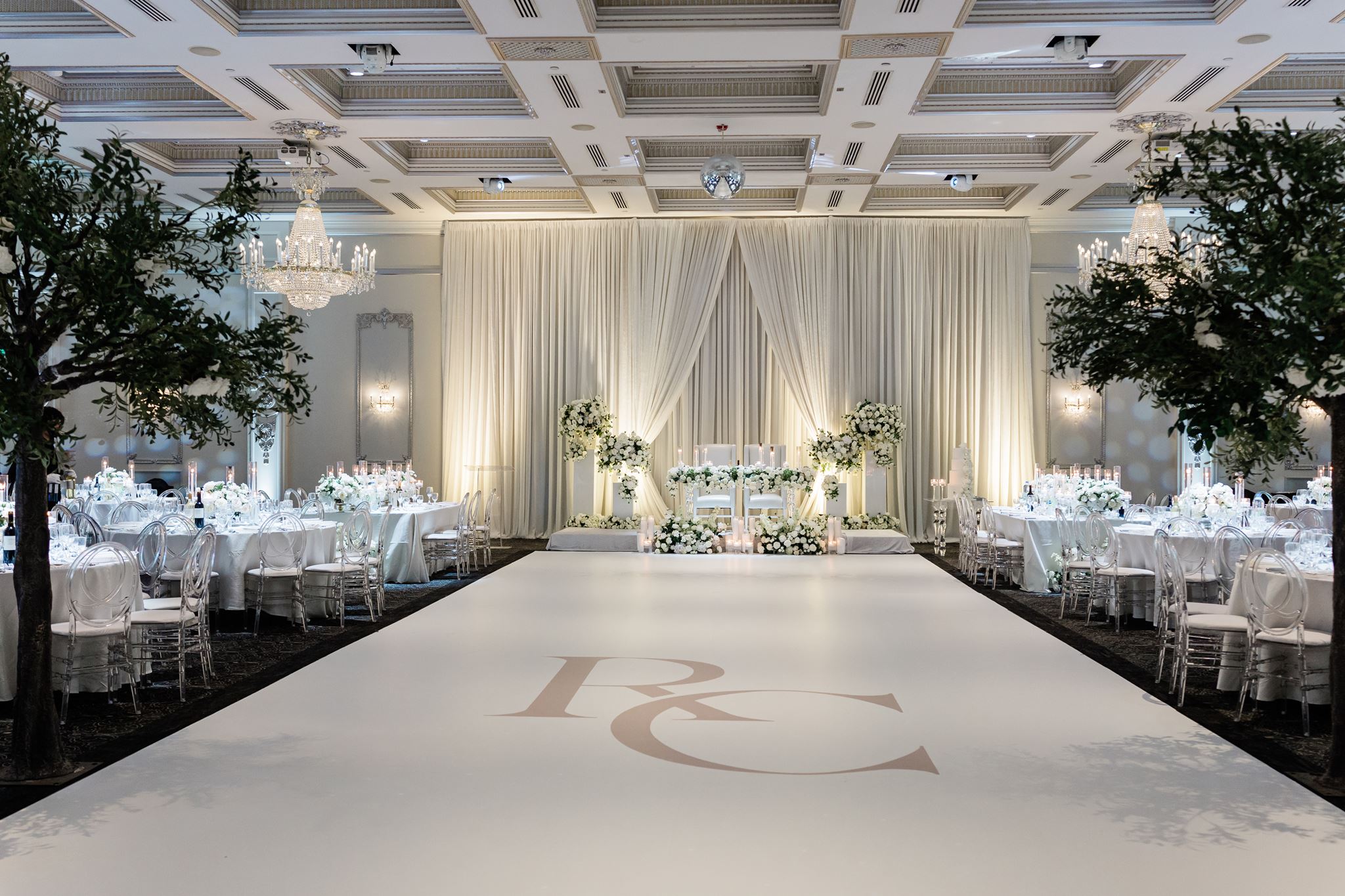
This design-first mindset prioritizes thoughtful composition over decoration. Negative space, texture, light, architectural details, and material choices carry as much weight as florals or color. Couples are drawn to environments that feel immersive and intentional—whether that means a historic venue that speaks for itself, a minimalist tablescape that allows conversation to flow, or a ceremony setting where design enhances emotion rather than distracts from it.
For planners, this requires a more editorial and strategic approach. Design can no longer be treated as a separate phase or delegated entirely to décor vendors. It must be integrated into every layer of planning—from layout and timing to vendor selection and guest movement. A well-designed wedding considers sightlines, transitions, acoustics, and rhythm. It understands when to make a statement and when to pull back.
Importantly, design-led weddings are not about trends or perfection. They are about restraint, intention, and alignment. Couples want weddings that feel elevated but effortless, curated but personal. They value originality over replication and are less interested in copying what they have already seen online. The role of the planner, therefore, is not to present a catalogue of ideas, but to translate inspiration into a cohesive visual and emotional narrative.
When design leads, everything else falls into place more naturally. Decisions become clearer, budgets are used more intelligently, and the final result feels cohesive rather than layered. Most importantly, the wedding becomes an experience that feels timeless rather than time-stamped.
Design is no longer just about how a wedding photographs—it is about how it lives, moves, and is remembered. And when planners embrace design as the backbone of the planning process, they create celebrations that resonate long after the last guest has left.
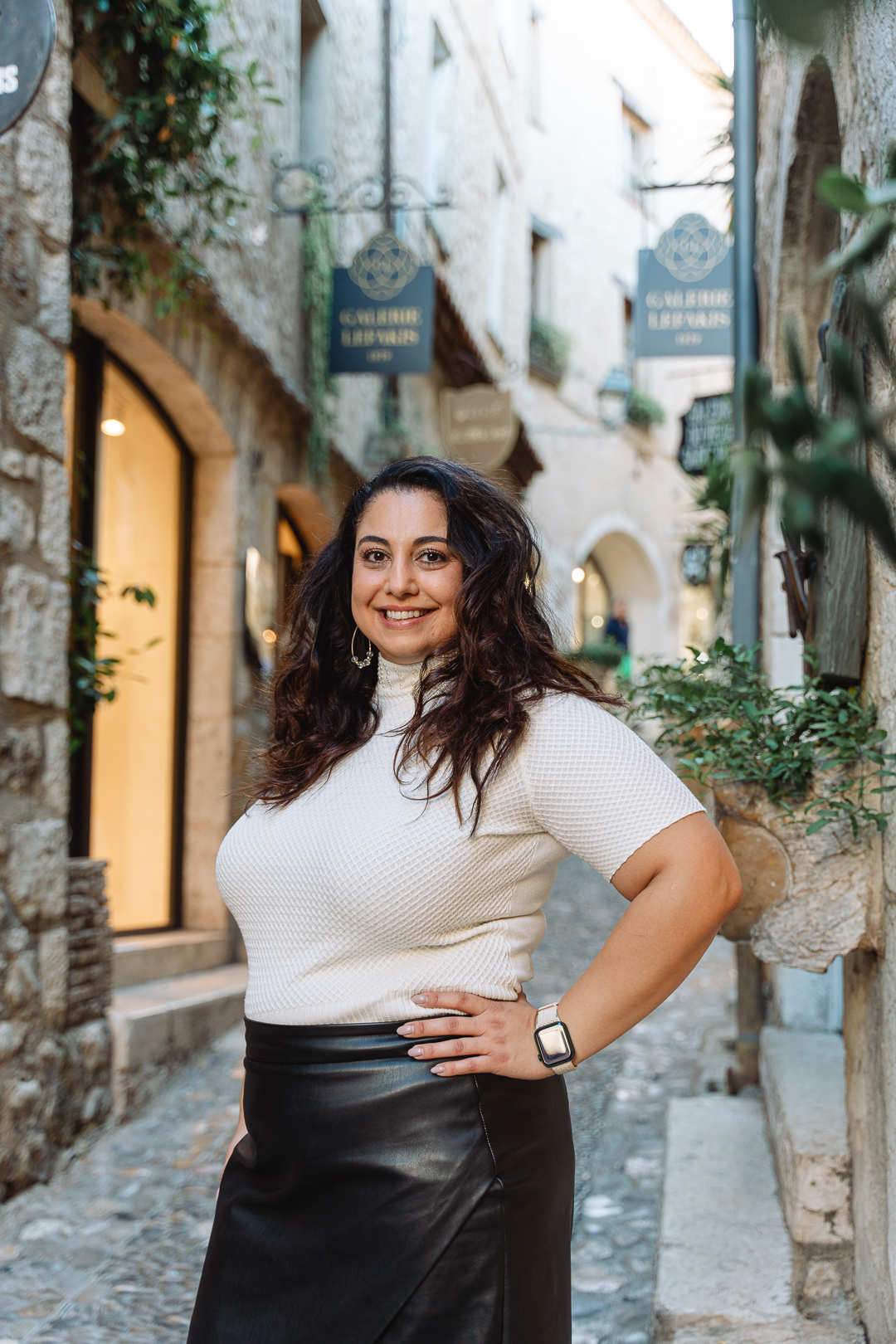
Sincerely yours,
Karine Copur, BA, WPICC, DWC | President
Champagne and Macarons Events
2024 WPIC Winner of Best Creative Editorial Styled Shoot
E info@champagneandmacarons.com | C +1 (647) 971-5501 | W www.champagneandmacarons.com